


A POSSIBLE JULY AGENDA FOR GARDENERS
JOE W. WHITE, PH.D.
Since July is usually one of the hottest months of the year and with the kind of weather we’ve experienced this year, it would be a guess as to what July will deliver. So, with the probable high temperatures, what do you plan to do in your garden in July? Unless you are a very dedicated gardener, you could be tempted to take a vacation to a place with a cooler climate or at least make some visits to a local pool.
However, I’m aware that there are some gardeners who may decide to defy the heat and continue their gardening activities regardless of the high temperatures. While you may already have a “to do” list, I’m suggesting a few more items you might want to add to your current list.
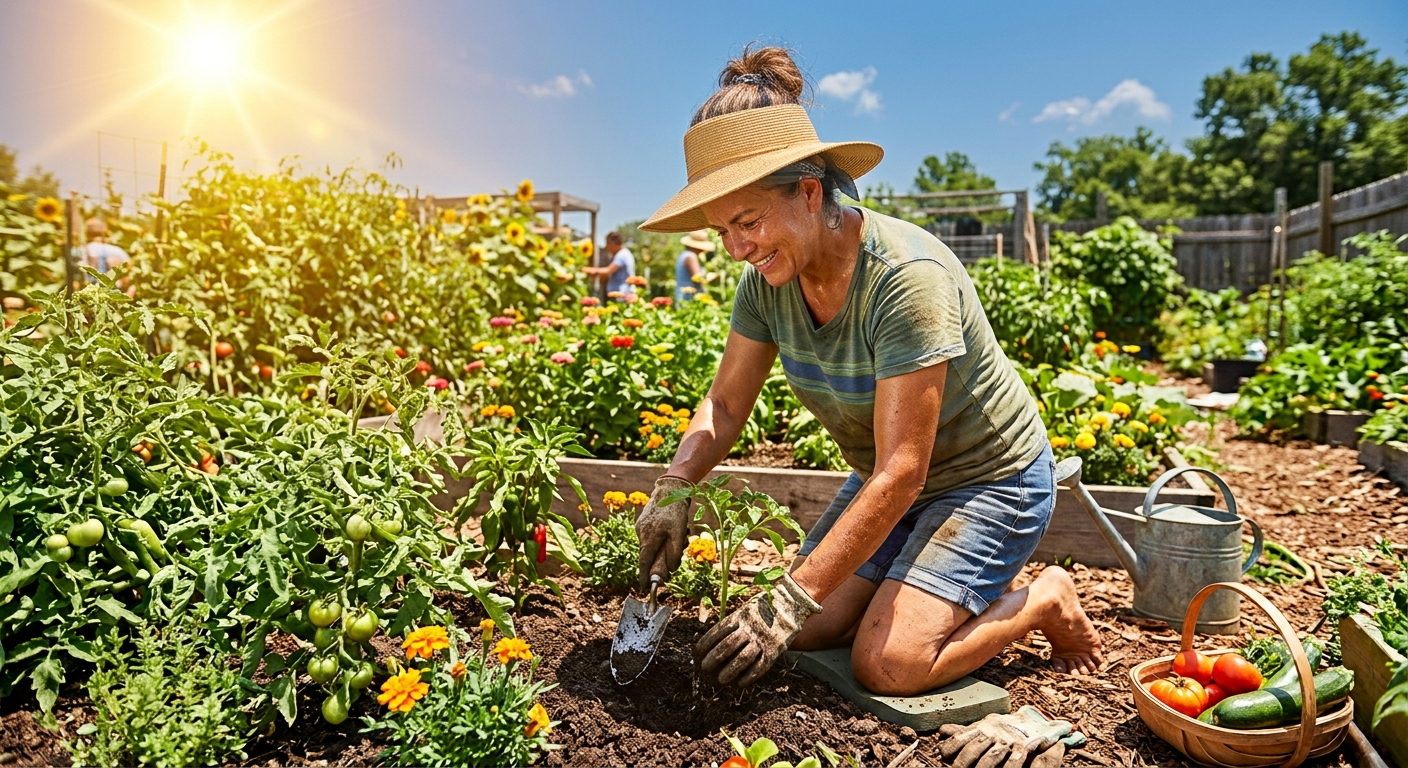
Most spring planted vegetables are about finished by now so just clean out the garden, re-fertilize lightly and re-plant with vegetables that possess some heat tolerance. Such crops to consider would be southern peas, squash, hot peppers and perhaps (if you can find any) some heat-resistant tomatoes. The same would be the case for flower beds. Suggestions for shady beds include coleus and caladiums For beds with limited shade some good choices would be wax begonias, torenias and impatiens.
Complete any pruning of ornamentals that’s needed and it’s best done before the middle of the month. With few exceptions, no more pruning should be done from mid-July to mid-October.
Blackberries have finished producing by now, but the plants will continue to grow. You should continue to top the new canes at a height of 4 or 5 feet to encourage branching which will result in an increased fruit-bearing surface.
It has probably been several weeks since you last fertilized your lawn, If that’s the case, the early part of July is a good time to fertilize, but make it a light application. The best fertilizers for this purpose are those that contain high nitrogen, low phosphorus and low to medium potassium. Apply dry granular fertilizers to a dry turf and then water heavily. Never put dry fertilizers on wet grass.
Use supplemental irrigation if rain is absent for extended periods. Low soil moisture will not encourage plants to develop big root systems so keep an eye on plants that appear to need water. Also check potted plants for water needs often since their low volume of soil or potting mix tends to dry out quickly.
If you have crape myrtles, keep the older, dried blossom clusters clipped off at their base to encourage new blossoms to form.
Check landscape plants for the presence of invading poison ivy. Use the double glove technique with an appropriate herbicide to deal effectively with this problem.

JOE W. WHITE, PH.D.
Extension Horticulturist, (ret)
LSU AgCenter